
How to optimize your website for different search engines
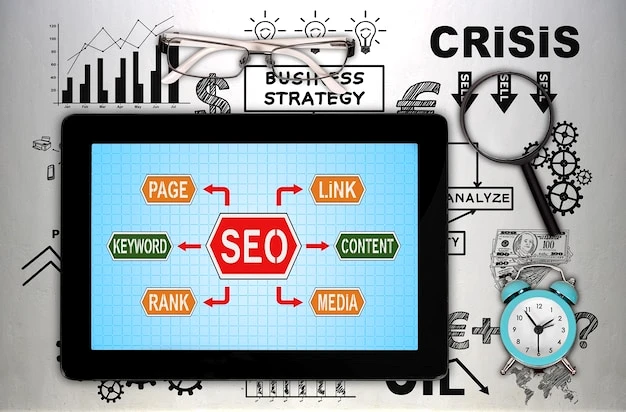
The modern digital landscape requires businesses to have a presence on the Internet, but just having a website is not enough. For your resource to be found by potential customers, you need high-quality SEO optimization 🎯. Each search engine has its own characteristics and algorithms, so it is important to understand how to adapt your strategy to Google, Bing, Yandex, and other platforms.
🔍 Technical basics of optimization for all search engines
Technical SEO optimization is the foundation of successful website promotion. Regardless of the search engine, there are basic principles that must be followed to achieve high positions in the search results.
Loading speed and mobile adaptation
Statistics show that 53% of users leave a website if it takes more than 3 seconds to load ⚡. This critically affects the ranking in all search engines:
- Image optimization: use of WebP formats, compression without loss of quality
- Code minimization: removing unnecessary spaces, comments in CSS and JavaScript
- Caching: setting up browser and server caching
- CDN: using a content delivery network for faster loading
URL structure and internal linking
The correct URL structure helps search engine crawlers better understand your website content. When developing a website, it is important to take these aspects into account from the very beginning:
- Using clear, short URLs
- Include keywords in the page address
- Create a logical hierarchy of pages
- Setting up correct redirects
🎨 Content strategy for different search engines
Quality content remains the most important ranking factor. However, each search engine has its own preferences regarding the type and presentation of information.
Features of optimization for Google
Google prefers expert content that meets the E-A-T (Expertise, Authoritativeness, Trustworthiness) principles. For effective SEO promotion on Google, it is important to:
- Create long-form content: articles from 1500 words show better results
- Use the semantic core: include synonyms and related terms
- Optimize Featured Snippets: structuring answers to popular queries
- Local SEO: optimize for local queries via Google My Business
Adaptation for Bing and alternative search engines
Bing, which is used in Windows by default, has its own algorithm features 🔧. An interesting fact: Bing pays more attention to social signals and meta tags than Google:
| Ranking factor | Bing | |
|---|---|---|
| Social signals | Low influence | High influence |
| Meta tags | Moderate impact | High impact |
| Domain age | Moderate influence | High impact |
📊 Analytics and results monitoring
Successful website promotion is impossible without constant analysis and correction of the strategy. Modern tools allow you to track performance in real time.
Key metrics for tracking
When working with SEO, it is important to focus on metrics that really affect business results 📈:
- Organic traffic and its dynamics
- Positions for key queries
- Bounce rate (Bounce Rate)
- Time spent on the site
- Conversions from organic traffic
Integration with other promotion channels
Modern marketing requires an integrated approach. SEO promotion works most effectively when combined with other channels:
- Contextual advertising: Google ADS helps to test keywords quickly
- Social media: SMM promotion creates additional signals for search engines
- Targeted advertising: META ADS increases brand awareness
- Design and UX: high-quality website design improves behavioral factors
🚀 Choosing a contractor and a long-term strategy
The SEO services market in Ukraine is actively developing, but the quality of performers varies greatly. Many agencies promise quick results using outdated methods that can harm the site.
Criteria for choosing an SEO agency
When choosing a partner for SEO optimization, it is important to pay attention to the following aspects 🎯:
- Process transparency: the agency should explain every step of the strategy
- Cases and results: the presence of successful projects in your niche
- Integrated approach: work not only with SEO, but also with technical aspects
- Regular reporting: detailed reports on the work done and results
Long-term planning and ROI
SEO is a marathon, not a sprint. The first results usually appear in 3-6 months, and stable positions are formed within a year. Interestingly, clients who understand this specificity and are ready to invest in a long-term strategy get the best results 💪.
- Audit and planning stage (1-2 months)
- Technical optimization (2-3 months)
- Content strategy (ongoing)
- Link building and authority (6-12 months)
Successful website optimization for different search engines requires a systematic approach, patience, and professional knowledge. It’s important to remember that each search engine has its own peculiarities, but the basic principles of quality content, technical excellence, and user experience remain the same. If you are ready to order SEO and invest in the long-term growth of your business, contact WonderWeb – we will help you create an effective strategy that will bring consistent results and increase your online presence! 🌟

