
Creating branded packaging: stages of work with WonderWeb
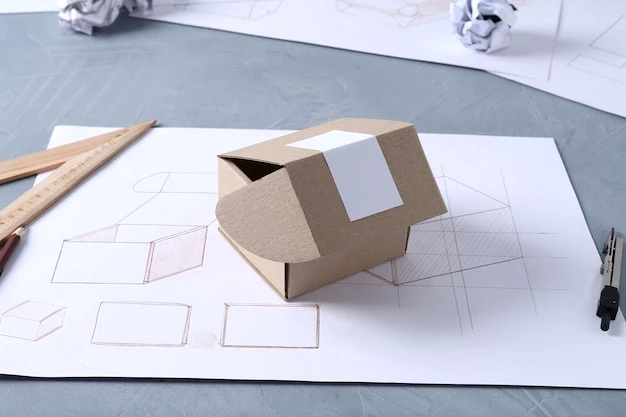
Branded packaging is not just a box or a label, but a full-fledged brand communication tool that influences awareness, conversions, and LTV. At WonderWeb, we combine corporate identity development, branding, and identity with production processes to turn packaging into a carrier of brand values and a sales driver. Below is our approach, examples, standards and tips for choosing a contractor.
🧩 The role of branded packaging in brand strategy
How packaging affects business performance
According to the Nielsen Norman Group, the first seconds of interaction with a product are crucial: tactile and visual cues increase trust and reduce cognitive load. Packaging with a clear identity reduces shelf selection time and increases the likelihood of repeat purchases.
- Commercial effects: increased awareness, increased conversions in retail, reduced promotional costs due to better visibility.
- Marketing effects: integration with digital assets (QR, UTM), organic mentions in social media, improved NPS.
- Operational effects: logistics optimization, printing standards, quality predictability.
When an update is needed
Signals for redesign: a drop in shelf share, low CTR in advertising against competitors, blurred line distinctions, entry into new markets or categories.
- Data audit: sales, reviews, shelf heatmaps, A/B tests in e-commerce.
- Brand factor: developing a corporate identity or updating the brand platform.
- Legal requirements: labeling, languages, barcodes, eco-standards ♻️
Connection to the brand platform
The core of the identity should be consistent: logo, colors, typography, tone of communication. This ensures a coherent online and offline experience.
- Brand documents: brand book, packaging guide, print specifications.
- Content: key messages, USP, iconography.
- CI/CD: quick iterations, version control of layouts.
🧪 Stages of working with WonderWeb
1. Research and strategy
We start with a brief, analysis of competitors, target audience, and sales channels. We take into account the requirements of retailers and production constraints. 🔍
- Analytics: category audit, shelf-test, UX readability assessment.
- Strategy: positioning, line architecture, message map.
- Legal framework: mandatory labeling elements, technical fields.
2. Design concepts and prototypes
We create 2-3 concepts with options for color systems and front/back structure. We conduct quick consumer tests.
- Identity: logos, illustrations, patterns, icons.
- Testing: mockups, AR/3D previews, readability at a distance.
- Sustainability: materials, water-based inks, weight optimization.
3. Preparation for printing and validation
We prepare data sheets, color profiles, die-cuts, proofs. We check ISO standards and compatibility with printers.
- Pre-press: CMYK/Spot, overprint, trapping, minimum pins.
- Quality control: color-changing, proofing, circulation test.
- Logistics: packaging for transportation, moisture/shock resistance.
4. Integration with digital marketing
We add QR/UTM, SKU tracking, CTA to the website to collect leads and analytics.
- Website and SEO: landing pages for product lines, schema.org, micro-markup.
- Advertising: retargeting with QR, promo codes, A/B testing of messages.
- Analytics: connection with CRM, UTM tags, cohort analysis.
| Stage | Duration | Critical artifacts |
|---|---|---|
| Research | 1-2 weeks | brief, category audit, target audience map |
| Concepts | 1-2 weeks | 3 design options, mockups |
| Pre-press | 1 week | die-cutting, color profiles, technical card |
| Production | 2-3 weeks | color proofing, circulation test |
📊 Facts, cases and common mistakes
Practical examples
According to McKinsey, brands with a clear identity outperform the market by 10-20% in terms of growth. In our practice, a redesign for FMCG with a focus on contrast and readability increased e-commerce sales by 18% thanks to better previews and SEO product cards.
- What worked: simple compositions, strong color dominance, CTA on the packaging.
- What didn’t work: small text, low contrast, too many details.
- Lesson: test in real conditions of the shelf and mobile screen 📱.
Standards and inspections
We follow ISO 12647 for color management, GS1 barcoding guidelines, and food labeling requirements, if relevant.
- Validation: conformity checklists, proofs, photo reports.
- Safety: certified materials, storage recommendations.
- Transparency: agreed SLAs, acceptance checkpoints.
Typical risks
Most often, problems arise due to inappropriate materials, color discrepancies between batches, and vague brand guidelines.
- Prevention: run test, color references, replication of profiles.
- Documentation: a single packaging guide for all suppliers.
- Synchronization: joint reviews with production and marketing.
🚀 Packaging + digital: how to get a multiplier effect
Synergy with the web and SEO
Branded packaging works better with a quality online presence. We recommend that you plan to create a corporate website in parallel, where the lines have their own pages with content and structured data.
- Services for growth: website development, website design, SEO promotion.
- Marketing: Google ADS contextual advertising, smm promotion, targeted advertising META ADS.
- Branding: naming, logo creation, branding, and identity for holistic communication.
Market conditions and contractor selection
Today, the service market is fragmented: some studios do not cover the production part, while others ignore digital. Choose a team that runs a full cycle: from strategy to integration with marketing.
- Selection criteria: cases from your category, clear process, transparent SLAs.
- Team: packaging designer + brand strategist + printing technologist + project manager.
- Metrics: KPIs for sales, SEO traffic, social media coverage.
For whom the approach is especially effective
FMCG, cosmetics, D2C boxes, crafts, and gastronomy with a product origin story get the most out of it. ✨
- Values: localism, environmental friendliness, transparency of production.
- Tools: QR pages of origin, interactive instructions.
- Media: UGC campaigns, photo content of unboxing 📦.
Disclaimer: results depend on category, pricing, distribution and seasonality. We recommend A/B tests and phased batch launch to reduce risks.
WonderWeb is a full-cycle partner: website development, website design, smm, targeted advertising, contextual advertising, seo website promotion, as well as logo creation, identity and naming – all synchronized with the packaging strategy.
Ready to strengthen your product? Order an audit and a pilot concept now – we will help you turn your box into a sales and loyalty channel. 💡

