
Multilingual website development: features and nuances
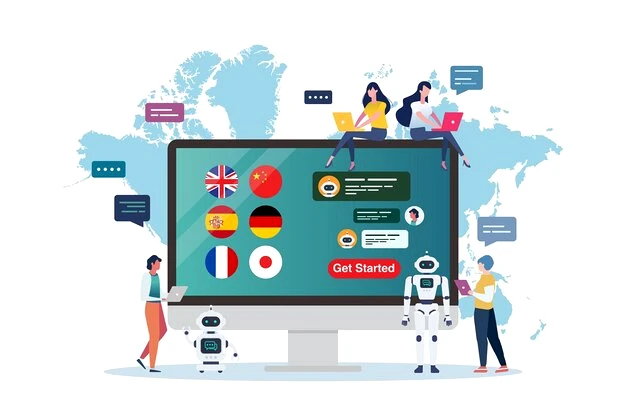
In today’s globalized world, creating a multilingual website is becoming not just an advantage but a necessity for many companies. It opens doors to new markets, expands the audience, and increases customer confidence. However, the development of websites that support multiple languages has its own peculiarities and nuances that should be taken into account. Let’s take a look at the key aspects of this process and learn how to create an effective multilingual web resource. 🌐
🔍 Planning and strategy of a multilingual website
Identifying target languages and markets
Before ordering a website, it is important to clearly define which languages and markets it is intended for. This will affect all further stages of development:
- Analyzing the target audience in different countries
- Study of cultural peculiarities and preferences
- Assessment of market potential and competition
Structure and navigation
The right website structure is the key to ease of use for visitors from different countries:
- Domain selection (subdomains, folders or separate domains)
- Development of intuitive navigation
- Creating a single design for all language versions
Budgeting and resources
Thecost of developing a multilingual website may be higher than a monolingual one. Consider the following factors:
- Costs for content translation and localization
- Additional technical resources to support multilingualism
- Possible SEO promotion costs for different language versions
💻 Technical aspects of developing a multilingual website
Choosing a CMS and tools
Choosing the right content management system (CMS) is critical for effective work with a multilingual website:
- WordPress with plugins for multilingualism
- Drupal with built-in support for multiple languages
- Specialized e-commerce solutions, such as Magento
Localization and translation
High-quality translation and content adaptation is the key to success in international markets:
- Using professional translators with niche knowledge
- Use of translation management tools (TMS)
- Adaptation of dates, currencies, units of measurement, etc
SEO for multilingual websites
SEO promotion of a multilingual website has its own peculiarities:
- Using hreflang tags to indicate language versions
- Localization of keywords and meta tags
- Creating unique content for each language version
🎨 Design and user experience
Responsive design
Multilingualwebsite design should be flexible and responsive:
- Consideration of different word lengths in different languages
- Adapting the layout for languages with different reading directions (RTL)
- Optimization for different devices and screen sizes
Cultural adaptation
It is important to take into account the cultural characteristics of your target markets:
- Choosing appropriate colors and symbols
- Adaptation of visual content (photos, videos)
- Consideration of local holidays and traditions
Convenience of switching languages
Ensure easy and intuitive switching between language versions:
- Place the language switcher in a prominent location
- Use clear icons or language names
- Saving the user’s language selection
📊 Analytics and optimization
Performance monitoring
Regular analysis will help you optimize the performance of your multilingual website:
- Tracking the behavior of users from different countries
- Conversion analysis for each language version
- Evaluation of the effectiveness of Google ADS contextual advertising for different markets
A/B testing
Run experiments to improve the user experience:
- Testing different translation options
- Optimize interface elements for different cultures
- Test the effectiveness of different CTAs for each market
Continuous improvement
A multilingual website requires constant attention and updates:
- Regularly update content in all languages
- Adaptation to changes in search algorithms
- Implementation of new technologies and tools
Creating a multilingual website is a complex but exciting process that opens up new business opportunities. Taking into account all the nuances, from technical aspects to cultural peculiarities, will help to create an effective resource that will be attractive to users from different countries. 🌍
If you are ready to expand your presence in the global Internet space, the WonderWeb team is ready to help you create a turnkey website. Our experts will take into account all the features of multilingual development and ensure the high quality of the final product. Contact us today, and together we will create a website that will work successfully in international markets!!!!

