
Why you need HTTPS and SSL certificates
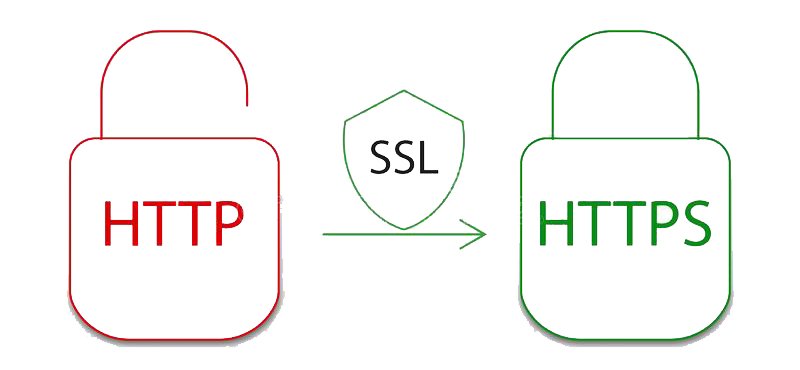
In today’s increasingly digital world, ensuring the security of online data transmission is becoming an integral part of a successful online presence. In this article, we’ll take a look at two key components of secure communication – the HTTPS protocol and SSL certificates. We will learn how they differ from the standard HTTP protocol and why they are necessary in the modern Internet. If you have started to develop an online store or any other type of website, this information will be useful to you
What is the difference between HTTP and HTTPS?
The HTTP (Hypertext Transfer Protocol) protocol is a standard transmission protocol on the Internet. However, it does not provide any protection for the data transmitted between the client (e.g., your browser) and the server (e.g., a website). This means that anyone can intercept and read this data, including personal information, passwords, financial data, etc
Why is HTTPS secure?
Unlike HTTP, HTTPS (Hypertext Transfer Protocol Secure) uses data encryption to ensure the confidentiality and integrity of information. This is achieved through the use of the SSL (Secure Sockets Layer) protocol or its next variant, the TLS (Transport Layer Security) protocol
Why use HTTPS?
The use of HTTPS has become a must for websites that require high security for data transmission. Here are some of the main reasons why HTTPS is an integral part of the modern Internet: Privacy protection: Data encryption in HTTPS ensures the confidentiality of the information being transmitted, which means that only the sender and the receiver can read the data. This is especially important for websites that collect personal information from users, such as payment information or username and password. Data integrity: HTTPS ensures that the data being transmitted has not been altered or tampered with during the transmission process. When using HTTPS, you can be sure that the information received on the website is really the one sent by the server. User trust: Sites that use HTTPS appear with a green padlock in the browser and may display additional information about the SSL certificate, such as the name of the site owner and the issuing organization. This helps users verify the security of the site and builds trust
When do I need an HTTPS certificate?
An SSL certificate is a key element of the HTTPS protocol. It is used to verify the authenticity of a website and ensure a secure connection between the client and the server. Here are some cases when you need to migrate your domain to HTTPS: Commercial websites: If your website is involved in online commerce, accepts payments, or collects personal information from users, using HTTPS and an SSL certificate is a must. This helps to protect customer financial data and maintain the confidentiality of transmitted data. User authentication: If your website offers user registration or login features, HTTPS ensures that logins and passwords are protected from being intercepted by intruders. Sites with sensitive information: If your website contains sensitive information, such as medical data, banking information, or personal files, HTTPS will help ensure that this data is secure and safe
What do I need to switch my website to HTTPS?
To switch your website to HTTPS, you need to take several steps: Obtain an SSL certificate: An SSL certificate is issued by an organization that verifies the validity of your website. You can get it from a trusted SSL certificate provider who will verify your identity and domain ownership. Install the certificate on the server: After obtaining the SSL certificate, you need to install it on the server. This may require some technical knowledge or help from your system administrator. Change links and settings: All links on your website, including internal and external, should be updated to HTTPS. This includes all images, style sheets, scripts, and other elements used on your site. Redirecting HTTP to HTTPS: To ensure security and prevent the use of the insecure HTTP protocol, you need to set up a redirect so that all requests to your site are automatically redirected to HTTPS. The HTTPS protocol and SSL certificate for the site are an integral part of the security of your resource and ensure the protection of data transmitted on the Internet. HTTPS ensures the confidentiality, integrity, and trust of users, which is especially important for commercial and sensitive information websites. Switching to HTTPS requires obtaining and installing an SSL certificate, as well as changing settings on the server. The need to use HTTPS is becoming increasingly important in today’s digital world, where data security is of the highest priority.

