
Why responsive design is important for SEO: WonderWeb explains
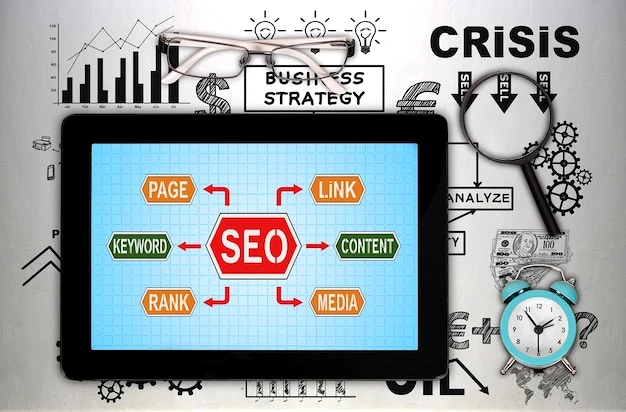
In a world where mobile devices have become an integral part of our lives, responsive website design has become a real detective in the investigation of the success of an online presence. Let’s follow the trail of this fascinating investigation together and find out why responsive design is a key factor in SEO optimization. 🕵️♂️🔍
🌐 Responsive design: the first key to unlocking SEO success
Imagine that your website is a multifaceted spy that can adapt to any screen. This is the essence of responsive design. But why is it so important for SEO?
Mobile traffic: the main witness
According to Statista, in 2023, more than 59% of all web traffic will come from mobile devices. This means that more than half of your potential customers are looking for information on their smartphones. 📱
- Fact 1: Google uses the mobile version of the site for indexing and ranking
- Fact 2: Responsive design improves user experience, which is a key factor for SEO
Loading speed: time is money
Responsive website design not only improves visual perception, but also significantly affects page loading speed. And this, in turn, directly affects the SEO optimization of the site.
| Loading speed | Impact on conversion |
|---|---|
| 1-3 seconds | Optimal |
| 3-5 seconds | Acceptable |
| More than 5 seconds | Critical loss of visitors |
🚀 Interesting fact: According to Google, 53% of users leave a website if it takes longer than 3 seconds to load.
🔍 Revealing the secret: how responsive design affects behavioral factors
Behavioral factors are those elusive traces that users leave on your site. And responsive design plays a key role in their formation.
Time spent on the site: the key evidence
Responsive design ensures a comfortable user experience on the site regardless of the device. This leads to an increase in session time, which is a positive signal for search engines.
- Ease of navigation: Users find the information they need more easily
- Content readability: The text adapts to the screen size
- Speed of interaction: Interface elements are optimized for touch screens
Failure rate: exposing problems
A high bounce rate can be a sign of non-responsive design. When users leave the site immediately after loading, it negatively affects SEO rankings.
- Non-responsive website: bounce rate up to 70%
- Responsive website: bounce rate of 30-50%
💡 Tip: Regularly analyze behavioral factors in Google Analytics to identify responsiveness issues.
🏆 Competitive advantage: responsive design as a key to success
In a world where website development has become affordable for many, responsive design can become your competitive advantage. But how exactly?
SEO optimization: a double benefit
Responsive design not only improves the user experience, but also greatly simplifies SEO promotion. Here’s why:
- Single URL: Simplifies indexing and reduces the risk of duplicate content
- Content consistency: Same content across all devices improves relevance
- Improved CTR: Responsive websites have a higher click-through rate in the SERPs
Saving resources: optimizing your budget
Investing in responsive design may seem like a lot, but it pays off faster than you think.
| Approach | Development costs | Maintenance costs |
|---|---|---|
| Separate versions for PC and mobile | High | High |
| Responsive design | Medium | Low |
🎯 Interesting fact: According to Google, 61% of users are unlikely to return to a mobile site with which they have problems, and 40% will go to a competitor.
🚀 The future of SEO: adaptability as the norm
In a world where technology is developing at a breakneck speed, responsive design is becoming not just an advantage, but a necessity for successful website promotion.
New technologies: readiness for change
Responsive design is not just about smartphones and tablets. It’s about being ready for the future.
- Voice search: Adapting content for voice queries
- VR and AR: Preparing for integration with virtual and augmented reality
- IoT devices: Optimization for smart watches and other gadgets
AI and machine learning: new horizons of SEO
Artificial intelligence is already changing the rules of the game in SEO. Responsive design helps websites to be ready for these changes.
- Content personalization: AI analyzes user behavior to adapt content
- Predictive search: Machine learning predicts the needs of users
- Automatic optimization: AI algorithms adjust design in real time
🌟 Tip: Invest in responsive design now to be ready for the technologies of the future.
Summarizing our detective investigation, we can confidently say: responsive design is not just a trend, but a necessity for successful SEO optimization of a website. It improves user experience, increases loading speed, reduces bounce rate, and prepares your website for future technological challenges.
If you want your website to be one step ahead of the competition, the WonderWeb team is ready to help you create a responsive design that will not only impress your visitors but also conquer the search engines. Contact us today and let’s create a website that will work for your success in any format! 🚀🌐

